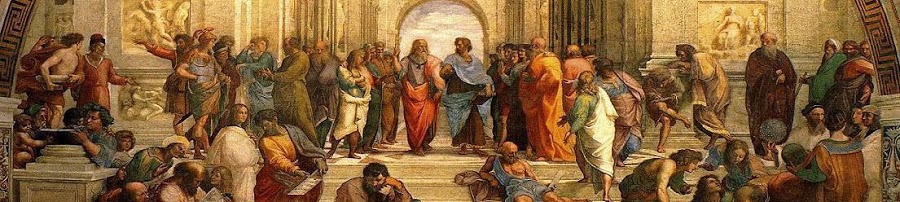
It’s always nice to see this kind of infomration, because indeed if one were to start later on in life, then why not learn new things like mathematics. Especially, if it seems to be thta there is some consistancy in thought about geometry, that had been taken hold of, and leads the thinking mind capable.
Dialogue between Barry Mazur & Peter Pesic
Barry Mazur:
I can’t answer that question, but I can offer some comments. A person’s ½rst steps in his or her mathematical development are exceedingly important. Early education deserves our efforts and ingenuity. But also here is a message to any older person who has never given a thought to mathematics or science during their school days or afterwards: You may be ready to start. Starting can be intellectually thrilling, and there are quite a few old classics written in just the right style to accompany you as you begin to take your ½rst steps in mathematics. I’m thinking, for example, of the old T. C.Mits series, or Tobias Dantizg’s wonderful Number: The Language of Science, or Lancelot Hogben’s Mathematics for the Millions. Moreover, one should not be dismayed that there are many steps– there is no need to take them all. Just enjoy each one you do take
.
Make it Fun
Like Alice in Wonderland or views on the Looking Glast, it was not to hard to figure out that mathematicians like to tell stories too. Bring the latest together in a way that the layman can accept at the level societal minds do. It is interesting indeed in facing the strange and wonderful world of scientists and mathematicians in their abstract mood.
 The New World of Mr. Tompkins, by George Gamow and Russell Stannard, Cambridge, ISBN 0 521 63009 6
 Dialogos of Eide