
The guiding principle
A word should open inquiry, not close it by accusation.
“Orwellian” closes quickly; it is already a verdict.
Allowing alternatives remain diagnostic, allowing thought to proceed before judgment is passed.
Another Possible Short Socratic Dialogue on the Naming of Subtle Power
Socrates:
Tell me, Platohagel, when a word is spoken, does it merely point, or does it also persuade?
Platohagel:
It does both, Socrates. It names, yet it also leans the listener toward a judgment.
Socrates:
Then if a word persuades too quickly, before inquiry has begun, would you call it a servant of truth or a governor of thought?
Platohagel:
A governor, for it rules where it ought only to guide.
Socrates:
And is this not the case with the word you hesitated to use—the one that bears the name of Orwell?
Platohagel:
Yes. I feared that by uttering it I would be heard as condemning an entire order, when I wished only to examine a practice.
Socrates:
Let us test this. Suppose you say, “This policy is Orwellian.” What awakens first in the mind of your listener?
Platohagel:
Images of domination, surveillance, and a society already lost.
Socrates:
And does the listener then ask whether your claim is true, or do they instead decide how they feel about it?
Platohagel:
They decide how they feel.
Socrates:
So the word has concluded the argument before it has begun. Is that the work of philosophy?
Platohagel:
No. Philosophy should delay judgment long enough for it to become just.
Socrates:
Then let us replace the word. Say instead: “This is a case of localized semantic control.” What now occurs?
Platohagel:
The listener asks, “Where is the control? Over which words? To what end?”
Socrates:
Excellent. The word has opened a door rather than slammed it shut.
Now try another. Say: “This reflects non-coercive truth management.”
Platohagel:
Then the listener must inquire how truth is managed, and why force is absent yet influence remains.
Socrates:
And finally, if you say, “Here we see an atrophy of discernment,” whom do you accuse?
Platohagel:
No one directly. The failure appears gradual, shared, almost unintended.
Socrates:
Which is often the most dangerous kind of failure, is it not?
Platohagel:
Yes—because no tyrant can be named, and so no resistance easily forms.
Socrates:
So tell me now: which term best preserves your aim—to warn without declaring doom, to examine without commanding assent?
Platohagel:
“Localized semantic control,” for it confines the claim and invites scrutiny.
Socrates:
Then use it, and reserve “Orwellian” as one reserves the final argument—only when the whole of the city, and not merely its language, stands accused.
Platohagel:
I understand.
Socrates:
Remember this: when words govern too much, they become what they were meant to expose.
The sovereign mind chooses terms that compel thinking, not allegiance.
————————-
The dialogue ends, not with agreement, but with attention restored.
Localized Semantic Control
Lyrics:
(Socrates speaks in the dark)
When a word is spoken—does it point, or does it persuade?
The air holds meaning, and meaning holds sway.
It names, yet it leans,
guides thought down hidden streams.
A governor, not a servant,
crowning feeling before truth can speak.
Say the word “Orwellian,”
and watch the mind obey.
No question survives,
only the tremor of fear.
Words can open, or they can close.
They can guide, or they can impose.
When language rules too much,
thinking bows beneath its throne.
Replace it—
say instead: localized semantic control.
Now thought begins to stir,
asking, “Where? How? To what end?”
Non-coercive truth management—
how soft the phrase, how sharp its edge.
Discernment atrophies quietly,
when no tyrant can be named.
Words can open, or they can close.
They can guide, or they can impose.
When language rules too much,
thinking bows beneath its throne.
Reserve the final word,
for when the city itself stands accused.
Let your mind be sovereign—
choose words that compel thinking,
not allegiance.
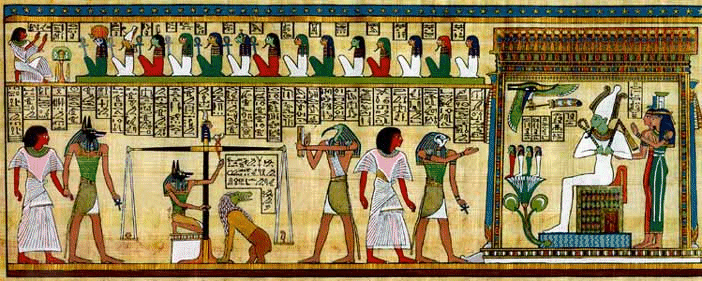
 Dialogos of Eide