
4:09 PM
Here’s the current solar activity from NASA SDO and NOAA/SWPC as of today, March 17, 2026:
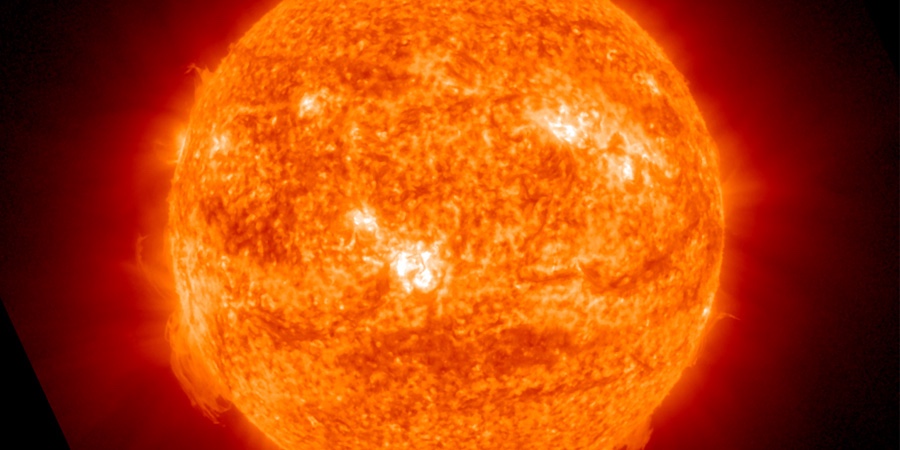
🌞 SDO Solar Activity Report — March 17, 2026
Strongest Recent Flare
An M2.8 (moderate) solar flare erupted from active EarthSky region AR4392, peaking at 12:15 UTC on March 16. The eruption triggered an R1 (minor) radio blackout over the Atlantic Ocean.
Coronal Mass Ejection (CME)
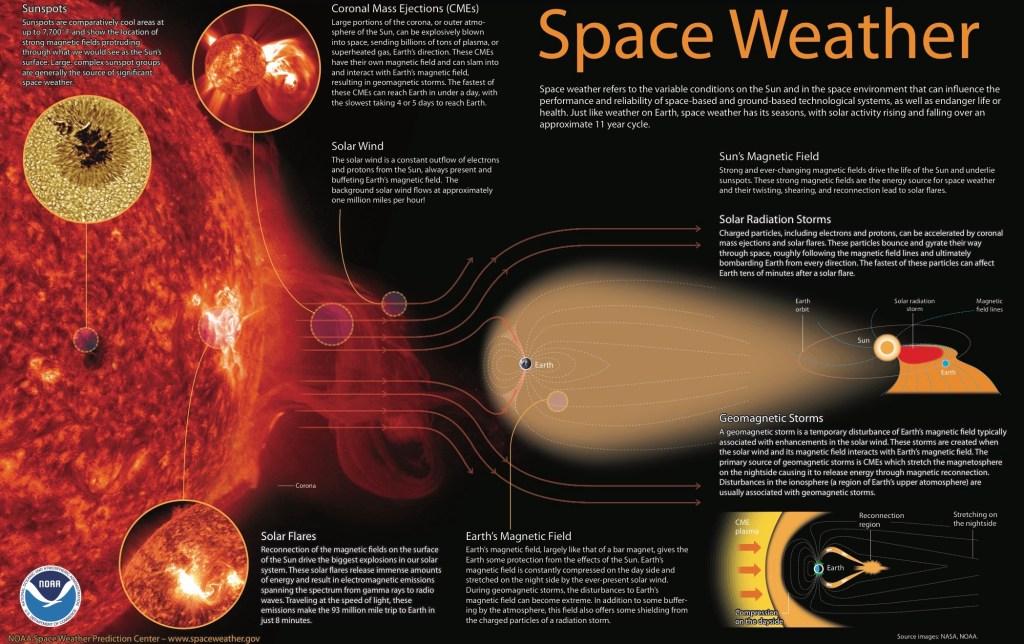
The flare hurled a coronal mass ejection directly toward Earth. After modeling and analysis, forecasters expect it to arrive on March 19 — near the vernal equinox. EarthSky
Today’s Full Flare Count (past 24 hrs)
The sun produced a total of 8 flares: 1 M-class (moderate), 2 C-class (common), and 5 B-class (weak). AR4392 was the lead producer, responsible for 5 of the 8 events. EarthSky
Active Region Status
Active region AR4392 has developed a beta-gamma magnetic configuration, and the chance for M-class flares has jumped to 30% today, with X-class flare probability rising to 5%. EarthSky
Geomagnetic Storm Outlook
NOAA has issued a G2 (Moderate) Geomagnetic Storm Watch for March 19, 2026 (UTC day) due to the arrival of the CME that left the Sun on March 16. NOAA Space Weather Prediction
Date————————-Conditions
Mar 17 (today). ———Quiet-to-unsettled (Kp 1–3)
Mar 18 ———————Quiet-to-unsettled as CH HSS fades
Mar 19 ———————G1–G2 storm expected on CME arrival; slight G3 chance
New Research (Published Today)
A NASA study published today, powered by citizen science volunteers analyzing SDO imagery, found that long-lived active regions produce far more intense and frequent solar flares than short-lived ones — findings that could reshape space weather prediction models. Daily Galaxy
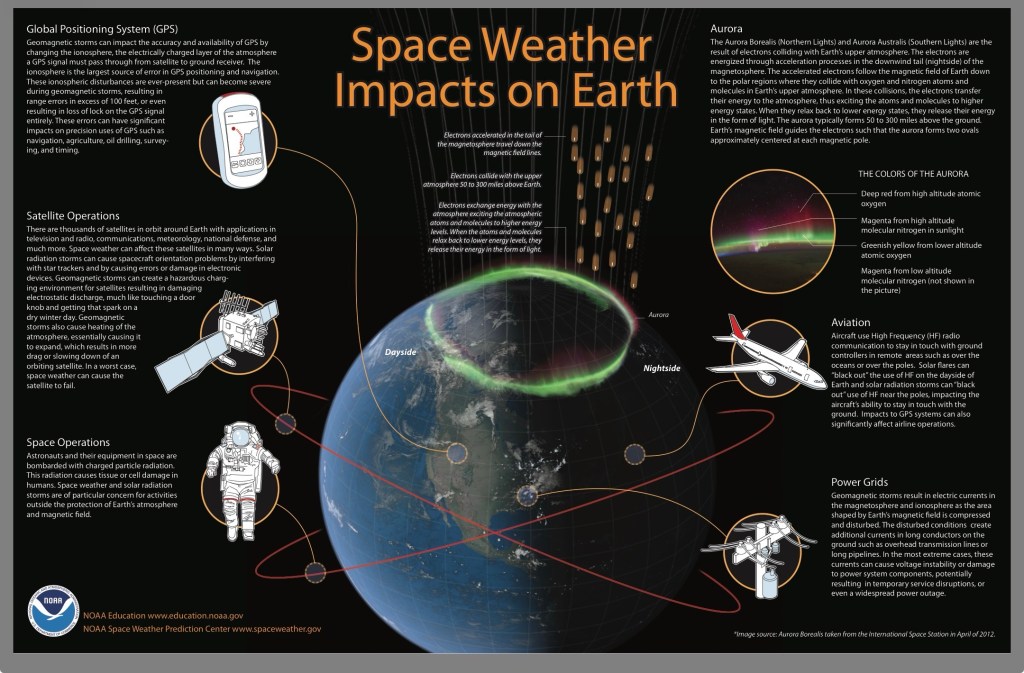
Aurora watchers: High-latitude aurora was visible last night but is retreating poleward. Watch for possible displays again

 Dialogos of Eide