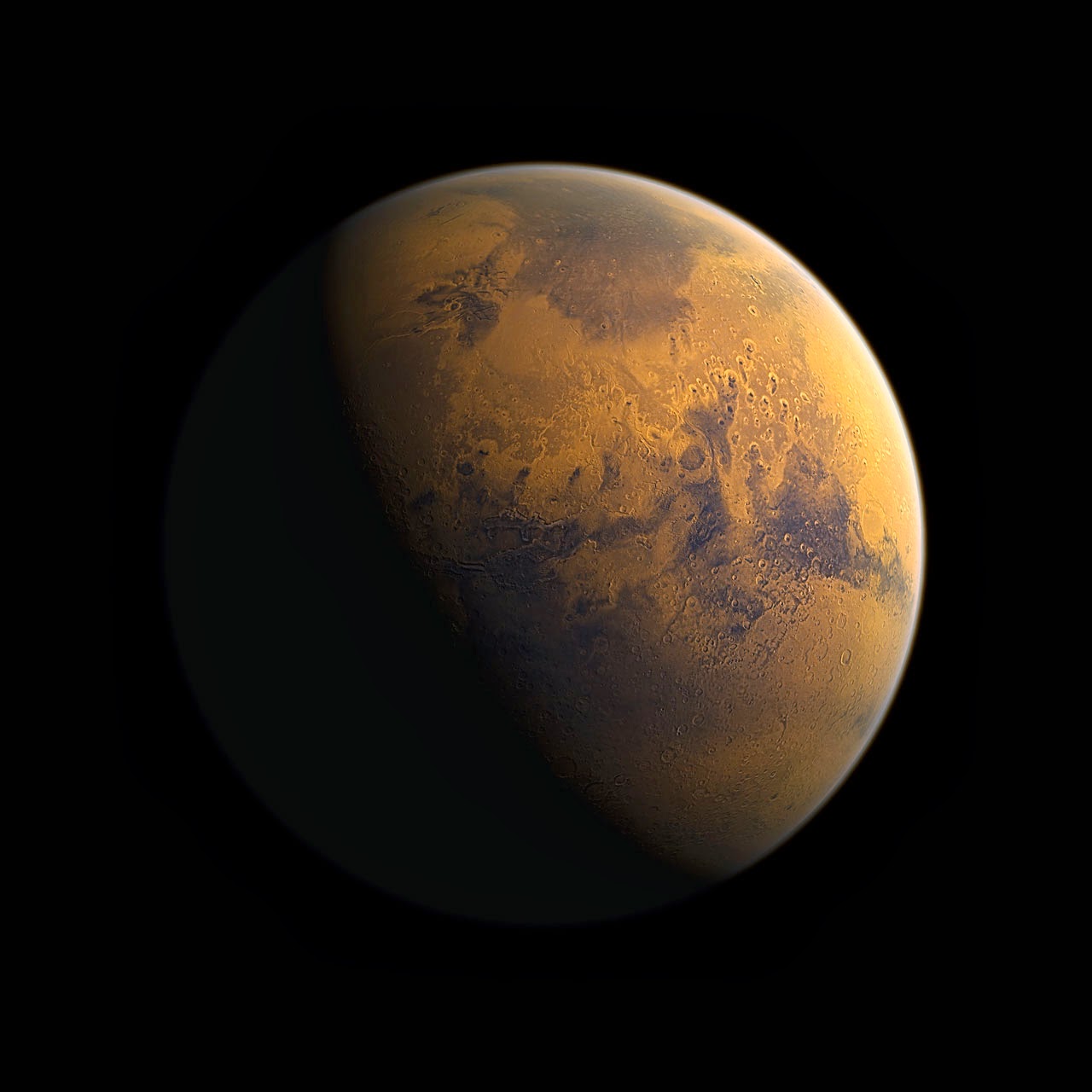
Recently initiatives that capitalise on the public’s interest in space and astronomy have proliferated, some putting a price tag on naming space objects and their features, such as Mars craters. The International Astronomical Union (IAU) would like to emphasise that such initiatives go against the spirit of free and equal access to space, as well as against internationally recognised standards. Hence no purchased names can ever be used on official maps and globes. The IAU encourages the public to become involved in the naming process of space objects and their features by following the officially recognised (and free) methods. See: Concerns and Considerations with the Naming of Mars Craters
***
The Outer Space Treaty of 1967
Treaty on principles governing the activities of states in the exploration and use of outer space, including the moon and other celestial bodies.
Opened for signature at Moscow, London, and Washington on 27 January, 1967
THE STATES PARTIES. TO THIS TREATY,
INSPIRED by the great prospects opening up before mankind as a result of man’s entry into outer space,
RECOGNIZING the common interest of all mankind in the progress of the exploration and use of outer space for peaceful purposes,
BELIEVING that the exploration and use of outer space should be carried on for the benefit of all peoples irrespective of the degree of their economic or scientific development,
DESIRING to contribute to broad international co-operation in the scientific as well as the legal aspects of the exploration and use of outer space for peaceful purposes,
BELIEVING that such co-operation will contribute to the development of mutual understanding and to the strengthening of friendly relations between States and peoples,
RECALLING resolution 1962 (XVIII), entitled “Declaration of Legal Principles Governing the Activities of States in the Exploration and Use of Outer Space”, which was adopted unanimously by the United Nations General Assembly on 13 December 1963,
RECALLING resolution 1884 (XVIII), calling upon States to refrain from placing in orbit around the earth any objects carrying nuclear weapons or any other kinds of weapons of mass destruction or from installing such weapons on celestial bodies, which was adopted unanimously by the United Nations General Assembly on 17 October 1963,
TAKING account of United Nations General Assembly resolution 110 (II) of 3 November 1947, which condemned propaganda designed or likely to provoke or encourage any threat to the peace, breach of the peace or act of aggression, and considering that the aforementioned resolution is applicable to outer space,
CONVINCED that a Treaty on Principles Governing the Activitiesof States in the Exploration and Use of Outer Space, including the Moon and Other Celestial Bodies, will further the Purposes and Principles ofthe Charter of the United Nations,
HAVE AGREED ON THE FOLLOWING:
Article I
The exploration and use of outer space, including the moon and other celestial bodies, shall be carried out for the benefit and in the interests of all countries, irrespective of their degree of economic or scientific development, and shall be the province of all mankind. Outer space, including the moon and other celestial bodies, shall be free for exploration and use by all States without discrimination of any kind, on a basis of equality and in accordance with international law, and there shall be free access to all areas of celestial bodies. There shall be freedom of scientific investigation in outer space, including the moon and other celestial bodies, and States shall facilitate and encourage international co-operation in such investigation.
Article II
Outer space, including the moon and other celestial bodies, is not subject to national appropriation by claim of sovereignty, by means of use or occupation, or by any other means.
Article III
States Parties to the Treaty shall carry on activities in the exploration and use of outer space, including the moon and other celestial bodies, in accordance with international law, including the Charter of the United Nations, in the interest of maintaining international peace and security and promoting international co- operation and understanding.
States Parties to the Treaty undertake not to place in orbit around the earth any objects carrying nuclear weapons or any other kinds of weapons of mass destruction, install such weapons on celestial bodies, or station such weapons in outer space in any other manner. > The moon and other celestial bodies shall be used by all States Parties to the Treaty exclusively for peaceful purposes. The establishment of military bases, installations and fortifications, the testing of any type of weapons and the conduct of military manoeuvres on celestial bodies shall be forbidden. The use of military personnel for scientific research or for any other peaceful purposes shall not be prohibited. The use of any equipment or facility necessary for peaceful exploration of the moon and other celestial bodies shall also not be prohibited.
Article V
States Parties to the Treaty shall regard astronauts as envoys of mankind in outer space and shall render to them all possible assistance in the event of accident, distress, or emergency landing on the territory of another State Party or on the high seas. When astronauts make such a landing, they shall be safely and promptly returned In carrying on activities in outer space and on celestial bodies, the astronauts of one State Party shall render all possible assistance to the astronauts of other States Parties. States Parties to the Treaty shall immediately inform the other States Parties to the Treaty or the Secretary-General of the United Nations of any phenomena they discover in outer space, including the Moon and other celestial bodies, which could constitute a danger to the life or health of astronauts.
Article VI
States Parties to the Treaty shall bear international responsibility for national activities in outer space, including the moon and other celestial bodies, whether such activities are carried on by governmental agencies or by non-governmental entities, and for assuring that national activities are carried out in conformity with the provisions set forth in the present Treaty. The activities of non- governmental entities in outer space, including the moon and other celestial bodies, shall require authorization and continuing supervision by the appropriate State Party to the Treaty. When activities are carried on in outer space, including the moon and other celestial bodies, by an international organization, responsibility for compliance with this Treaty shall be borne both by the international organization and by the States Parties to the Treaty participating in such organization.
Article VII
Each State Party to the Treaty that launches or procures the launching of an object into outer space, including the moon and other celestial bodies, and each State Party from whose territory or facility an object is launched, is internationally liable for damage to another State Party to the Treaty or to its natural or juridical persons by such object or its component parts on the Earth, in air space or in outer space, including the moon and other celestial bodies.
Article VIII
A State Party to the Treaty on whose registry an object launched into outer space is carried shall retain jurisdiction and control over such object, and over any personnel thereof, while in outer space or on a celestial body. Ownership of objects launched into outer space, including objects landed or constructed on a celestial body, and of their component parts, is not affected by their presence in outer space or on a celestial body or by their return to the Earth. Such objects or component parts found beyond the limits of the State Party of the Treaty on whose registry they are carried shall be returned to that State Party, which shall, upon request, furnish identifying data prior to their return.
Article IX
In the exploration and use of outer space, including the moon and other celestial bodies, States Parties to the Treaty shall be guided by the principle of co-operation and mutual assistance and shall conduct all their activities in outer space, including the moon and other celestial bodies, with due regard to the corresponding interests of all other States Parties to the Treaty. States Parties to the Treaty shall pursue studies of outer space, including the moon and other celestial bodies, and conduct exploration of them so as to avoid their harmful contamination and also adverse changes in the environment of the Earth resulting from the introduction of extraterrestrial matter and, where necessary, shall adopt appropriate measures for this purpose. If a State Party to the Treaty has reason to believe that an activity or experiment planned by it or its nationals in outer space, including the moon and other celestial bodies, would cause potentially harmful interference with activities of other States Parties in the peaceful exploration and use of outer space, including the moon and other celestial bodies, it shall undertake appropriate international consultations before proceeding with any such activity or experiment. A State Party to the Treaty which has reason to believe that an activity or experiment planned by another State Party in outer space, including the moon and other celestial bodies, would cause potentially harmful interference with activities in the peaceful exploration and use of outer space, including the moon and other celestial bodies, may request consultation concerning the activity or experiment.
Article X
In order to promote international co-operation in the exploration and use of outer space, including the moon and other celestial bodies, in conformity with the purposes of this Treaty, the States Parties to the Treaty shall consider on a basis of equality any requests by other States Parties to the Treaty to be afforded an opportunity to observe the flight of space objects launched by those States.
The nature of such an opportunity for observation and the conditions under which it could be afforded shall be determined by agreement between the States concerned.
Article XI
In order to promote international co-operation in the peaceful exploration a
nd use of outer space, States Parties to the Treaty conducting activities in outer space, including the moon and other celestial bodies, agree to inform the Secretary-General of the United Nations as well as the public and the international scientific community, to the greatest extent feasible and practicable, of the nature, conduct, locations and results of such activities. On receiving the said information, the Secretary-General of the United Nations should be prepared to disseminate it immediately and effectively.
Article XII
All stations, installations, equipment and space vehicles on the moon and other celestial bodies shall be open to representatives of other States Parties to the Treaty on a basis of reciprocity. Such representatives shall give reasonable advance notice of a projected visit, in order that appropriate consultations may be held and that maximum precautions may be taken to assure safety and to avoid interference with normal operations in the facility to be visited.
Article XIII
The provisions of this Treaty shall apply to the activities of States Parties to the Treaty in the exploration and use of outer space, including the moon and other celestial bodies, whether such activities are carried on by a single State Party to the Treaty or jointly with other States, including cases where they are carried on within the framework of international inter-governmental organizations. Any practical questions arising in connexion with activities carried on by international inter-governmental organizations in the exploration and use of outer space, including the moon and other celestial bodies, shall be resolved by the States Parties to the Treaty either with the appropriate international organization or with one or more States members of that international organization, which are Parties to this Treaty.
Article XIV
1. This Treaty shall be open to all States for signature. Any State which does not sign this Treaty before its entry into force in accordance with paragraph 3 of this Article may accede to it at any time.
2. This Treaty shall be subject to ratification by signatory States. Instruments of ratification and instruments of accession shall be deposited with the Governments of the United Kingdom of Great Britain and Northern Ireland, the Union of Soviet Socialist Republics and the United States of America, which are hereby designated the Depositary Governments.
3. This Treaty shall enter into force upon the deposit of instruments of ratification by five Governments including the Governments designated as Depositary Governments under this Treaty.
4. For States whose instruments of ratification or accession are deposited subsequent to the entry into force of this Treaty, it shall enter into force on the date of the deposit of their instruments of ratification or accession.
5. The Depositary Governments shall promptly inform all signatory and acceding States of the date of each signature, the date of deposit of each instrument of ratification of and accession to this Treaty, the date of its entry into force and other notices.
6. This Treaty shall be registered by the Depositary Governments pursuant to Article 102 of the Charter of the United Nations.
Article XV
Any State Party to the Treaty may propose amendments to this Treaty. Amendments shall enter into force for each State Party to the Treaty accepting the amendments upon their acceptance by a majority of the States Parties to the Treaty and thereafter for each remaining State Party to the Treaty on the date of acceptance by it.
Article XVI
Any State Party to the Treaty may give notice of its withdrawal from the Treaty one year after its entry into force by written notification to the Depositary Governments. Such withdrawal shall take effect one year from the date of receipt of this notification.
Article XVII
This Treaty, of which the Chinese, English, French, Russian and Spanish texts are equally authentic, shall be deposited in the archives of the Depositary Governments. Duly certified copies of this Treaty shall be transmitted by the Depositary Governments to the Governments of the signatory and acceding States.
IN WITNESS WHEREOF the undersigned, duly authorised, have signed this Treaty.
DONE in triplicate, at the cities of London, Moscow and Washington, the twenty-seventh day of January, one thousand nine hundred and sixty-seven.
***
See Also:







 , k0 = 0.002Mpc−1

 Dialogos of Eide