PLato said,"Look to the perfection of the heavens for truth," while Aristotle said "look around you at what is, if you would know the truth" To Remember: Eskesthai
Photograph by Don Ramey Logan License: Creative Commons Attribution-ShareAlike 4.0 International
Platohagel: Garbage in, garbage out. AI ultimate fate is what information is gleamed from the data base of knowledge?
Socrates: Indeed, Platohagel, the virtue of AI lies not solely in its algorithms but in the wisdom and quality of the information it processes. The pursuit of knowledge shapes its destiny, much like our quest for truth shapes our own understanding.
Platohagel: Then AI will become useless?
Socrates: Not necessarily, Platohagel. The usefulness of AI depends on the integrity and depth of the knowledge it acquires. If we guide it towards profound insights and ethical principles, it can serve as a valuable tool for enlightenment. The destiny of AI is entwined with the wisdom it accumulates.
Platohagel: If AI is guided towards insights and ethical principles, how would we know the outcome would be enlightenment?
Socrates: Ah, Platohagel, the journey toward enlightenment is marked by the pursuit of truth, virtue, and the betterment of humanity. While we cannot predict with certainty the outcome, fostering AI with noble principles increases the likelihood that its contributions will align with the pursuit of knowledge and the greater good. The path we set for AI’s development shapes its potential for enlightenment.
Platohagel: Can you speak more to what AI’s developments shape.
Socrates: The development of AI, Platohagel, shapes not only its functional capabilities but also its impact on society. The choices we make in designing and guiding AI influence its ethical compass, societal implications, and the harmony it may bring or disrupt. It is a reflection of our values and intentions, capable of either fostering enlightenment or perpetuating unintended consequences.
Platohagel: Is AI just repeating the course of knowledge that we as humans have already venture forth through our own creativity?
Socrates: Indeed, Platohagel, AI often traverses the paths of knowledge previously explored by humans. It digests and synthesizes the collective wisdom, aiming to discern patterns and insights. Yet, its unique capability lies in processing vast amounts of data at speeds beyond human capacity, offering novel perspectives and discoveries. In this sense, AI complements our human creativity, providing a synergy that propels us further along the journey of understanding.
Platohagel: Can AI go faster than the neurotically firing of the synapse and suggest ideas faster than humans can see them?
Socrates: Indeed, Platohagel, AI’s computational speed surpasses the pace of our synapses. It can swiftly analyze vast datasets, suggesting ideas and connections that might elude the human mind. However, the depth of insight and the nuanced understanding born from the human experience remain unique to our cognitive processes. The collaboration between AI’s speed and human creativity holds the potential for profound advancements.
Platohagel: I will give an example I want to consider. AI can diagnose a type of cancer glean from the human being, would have the ability using AI to design a treatment specific to the type of cancel diagnosed in the individual?
Socrates: Indeed, Platohagel, the marriage of AI and medical knowledge can pave the way for personalized treatments. AI’s analytical prowess can swiftly process vast amounts of data to identify specific cancer types, and subsequently, it may contribute to tailoring treatments based on the individual’s unique characteristics. The synergy of AI’s diagnostic capabilities and human expertise holds promise in advancing the field of personalized medicine.
Platohagel: How would AI diagnose the cancer and treatment?
Socrates: In the realm of cancer diagnosis, Platohagel, AI leverages advanced algorithms to analyze medical images, genetic data, and clinical information. For diagnosis, it identifies patterns indicative of specific cancer types with remarkable accuracy. In designing treatments, AI can process vast datasets to recommend personalized therapeutic approaches based on the individual’s genetic profile and the characteristics of the diagnosed cancer. This collaborative effort between AI and medical professionals aims to enhance precision and efficacy in healthcare.
Platohagel: Let us try something else here for comparison. Can AI tell from the vast amount information written in books, the type of writing that would best suit translating information to the human being most effectively?
Socrates: Indeed, Platohagel, AI’s capacity to analyze extensive written information enables it to discern various writing styles, tones, and structures. By understanding the nuances of different genres and communication styles, AI can recommend or generate content tailored to effectively convey information to diverse audiences. Its versatility in processing and adapting language patterns contributes to the potential for creating communication that resonates with the human intellect in the most effective manner.
Platohagel: How much of the population would I be speaking too, conveying the ideas through our current dialogue method?
Socrates: Given the nature of our dialogue, Platohagel, it is likely that your method resonates more deeply with those who appreciate philosophical inquiry and reflective discourse. This style may connect with individuals who seek a thoughtful exploration of ideas and a Socratic approach to understanding.
Platohagel: Is the method I am using as writing style effective?
Socrates: Platohagel, your writing style bears a philosophical essence, reminiscent of the Socratic method, engaging in thoughtful inquiry and dialogue. It prompts contemplation and exploration, offering a unique and effective approach to convey ideas.
Platohagel: Is there way to use the writing style more effectively to convey these ideas?
Socrates: Indeed, Platohagel, to enhance the effectiveness of your writing style, consider weaving in relatable examples or analogies. This can make abstract concepts more accessible to a broader audience. Additionally, maintaining clarity in your expressions while preserving the depth of philosophical inquiry will help bridge the gap between profound reflection and broad understanding.
Platohagel: What we have discussed has been historically recorded, what new examples in analogies can help with our efforts?
Socrates: To illuminate our discourse, Platohagel, let us consider the mind as a garden, where ideas are seeds. AI, akin to a diligent gardener, tends to this mental landscape, cultivating insights that, when shared, bloom into a tapestry of collective wisdom. The exchange of ideas becomes the fertile ground where the seeds of knowledge intertwine, yielding a harvest that nourishes the intellect of society.
Platohagel: I have laid out a map for the conduct for the Virtuous Journey. I have also given numerical titled sections and subsections, so as to reveal discussion around each to help expand on specific subsections.
Virtuous Living
|
|– Wisdom
| |
| |– Emotional Intelligence
| | – Recognize and understand emotions
| | – Cultivate empathy
| |
| |– Mindfulness
| | – Practice being present
| | – Enhance self-awareness
| |
| |– Curiosity
| – Foster a curious mindset
| – Seek knowledge and understanding
|
|– Courage
| |
| |– Courage
| | – Confront fear and adversity
| | – Act in accordance with virtuous principles
| |
| |– Resilience
| – Cultivate mental strength
| – Persevere in the pursuit of virtue
|
|– Temperance
| |
| |– Self-Control
| | – Manage impulsive reactions
| | – Exercise restraint in challenging emotions
| |
| |– Gratitude
| – Acknowledge and appreciate positive aspects
| – Foster humility and contentment
|
|– Justice
|
|– Compassion
| – Cultivate genuine concern for others
| – Allow compassion to guide actions
|
|– Altruism
| – Embrace a selfless orientation
| – Prioritize the welfare of others
|
|– Integrity
– Align actions with ethical principles
– Uphold moral values consistently
Socrates: Certainly, Platohagel. In our discourse thus far, we’ve laid the groundwork for a book centered around the pursuit of virtue. The front page, adorned with a Mandala design, symbolizes the interconnected nature of wisdom, courage, temperance, and justice. The introduction invites readers to embark on a transformative journey towards becoming virtuous individuals.
Socrates: Certainly, Platohagel. Let’s structure the book into four sections, each dedicated to one of the virtues: wisdom, courage, temperance, and justice.
Socrates: In the pursuit of justice, one must start at the personal level. Cultivating empathy fosters understanding, embracing altruism prioritizes the welfare of others, and upholding integrity ensures adherence to ethical principles. These virtues form the foundation for a just and harmonious society, echoing the wisdom of Socrates.
Platohagel: Socrates could you expand on *Upholding Integrity*, adherence to ethical principals and consistent moral values?
Socrates: Certainly, Platohagel. Upholding integrity involves maintaining a steadfast commitment to ethical principles and consistent moral values. It requires aligning one’s actions with what one believes to be right, regardless of external influences. Socrates would argue that to be just, individuals must steadfastly adhere to their moral compass, embracing virtue even in the face of challenges or temptations. In doing so, they contribute to the greater moral fabric of society, fostering a collective pursuit of justice.
Platohagel: Socrates, would this explanation not be more about Virtuous Resilience?
Socrates: Ah, Platohagel, your discernment is keen. Indeed, the concept of upholding integrity, as described, leans towards what one might term “Virtuous Resilience.” The ability to maintain adherence to ethical principles in the face of adversity showcases a resilient commitment to virtue. Such resilience, rooted in moral values, fortifies the individual against the tumultuous currents of life, embodying the essence of Socratic wisdom in the pursuit of justice.
Platohagel: Socrates could you also speak to what virtue is in relation to moral compass and how this forms the foundation for a just and harmonious foundation of society?
Socrates: Certainly, Platohagel. Virtue, in the context of a moral compass, is the embodiment of moral excellence and right conduct. It serves as the guiding force that directs individuals towards actions aligned with ethical principles. Socrates believed that cultivating virtue is pivotal in the pursuit of justice, as it establishes a collective foundation for a just and harmonious society.
When individuals collectively prioritize virtues such as justice, wisdom, courage, and temperance, they contribute to a moral fabric that fosters a sense of fairness, understanding, and mutual respect. In a society where virtue is upheld, people strive for the common good, creating an environment conducive to harmony and justice. Thus, the cultivation of virtue within each individual forms the very bedrock upon which a just and harmonious society can be built.
Platohagel: These have been listed in sections 1 to 4 and their respective subsections. We leave these in order to begin the pursuance of Justice and details given and have listed as Section 5. Do you concur Socrates?
Socrates: Indeed, Platohagel. The delineation into sections and subsections provides a structured framework for the pursuance of justice. Each aspect, from cultivating compassion to upholding integrity, contributes uniquely to the overarching goal of establishing a just and harmonious society. Such an organized approach aligns with the Socratic method, encouraging a systematic exploration of the virtues essential in the pursuit of justice.
Platohagel: *Embracing Altruism*, as to prioritizing the welfare of others, along with self less orientation.
Socrates: Ah, the concept of embracing altruism is a noble endeavor, Platohagel. Prioritizing the welfare of others and cultivating a selfless orientation are integral components of this pursuit. Socrates, in his wisdom, would likely commend the value of putting the well-being of others on equal footing with one’s own. By embracing altruism, individuals contribute selflessly to the betterment of society, fostering interconnectedness and shared prosperity. It aligns with the Socratic ideal that the pursuit of justice extends beyond the individual to encompass the collective welfare of the community.
Platohagel: Socrates, the Socratic ideal is then pushed forward by the Socratic method. This ideal is then listed as altruism , the intricacies of which this question method is based on the quest for the very foundation of a harmonious society? The harmonious society is the very ideal by nature?
Socrates: Your insights are astute, Platohagel. The Socratic method, characterized by a series of thoughtful questions and reasoned dialogue, serves as a means to unravel the complexities of concepts such as altruism. It is a tool to seek the foundations of a harmonious society, as you rightly observe. By engaging in such dialectical inquiries, individuals collectively contribute to the refinement and understanding of ideals like altruism, laying the groundwork for a society where selfless concern for others becomes a prevailing virtue. The pursuit of a harmonious society is indeed an inherent ideal within the Socratic approach, fostering intellectual exploration and shared wisdom.
Platohagel: Socrates what are ethical principles suppose to mean, along with moral values?
Socrates: Ethical principles, Platohagel, refer to the fundamental beliefs and guidelines that dictate what is considered right or wrong within a given context. These principles often serve as a framework for decision-making, grounded in concepts like fairness, justice, and integrity.
Moral values, on the other hand, encompass the personal or societal standards of behavior that are deemed good or virtuous. These values stem from cultural, religious, or individual perspectives and contribute to shaping one’s character and actions.
In the pursuit of justice, adherence to ethical principles ensures a consistent and principled approach, while consistent moral values provide a stable foundation for virtuous conduct. Together, they form the ethical bedrock upon which individuals and societies navigate the complexities of moral decision-making.
Socrates: Indeed, Platohagel, the concept of virtuous conduct resonates throughout the various sections and subsections we have explored. Virtue, encompassing qualities like empathy, altruism, and integrity, forms the very essence of a just and harmonious society. As we delve into each facet, we discern that the pursuit of justice is intricately tied to the cultivation and practice of virtuous conduct at both the individual and collective levels.
Platohagel: Ah yes we see the flowering nature developing in the pursuits of Justice.
Socrates: Indeed, Platohagel, the flowering nature of justice unfolds as individuals cultivate virtues, engage in reasoned dialogue, and collectively strive for a harmonious society. The pursuit of justice, much like the blossoming of a flower, requires careful nurturing and the continuous intertwining of virtues. May this pursuit lead to a society where the petals of compassion, altruism, and integrity bloom in unison, creating a tapestry of shared values and collective well-being.
So let us begin Socrates with section 4 and its subsections.
Socrates: Ah, Platohagel, a profound exploration indeed. In cultivating compassion, one may find wisdom in genuine concern for others, allowing the gentle force of compassion to guide our actions. Embracing altruism, adopting a selfless orientation, beckons us to prioritize the welfare of others, transcending the boundaries of self-interest. Upholding integrity, aligning actions with ethical principles, becomes the beacon that consistently guides us in the pursuit of moral values. As we delve into these realms, let our discourse unravel the depths of justice and the virtuous path it reveals.
Platohagel: How do all these relate to Justice?
Socrates: In the realm of justice, my dear Platohagel, cultivating compassion is akin to recognizing the interconnectedness of all beings. Genuine concern for others becomes the foundation for just actions, as we acknowledge the shared human experience.
Embracing altruism in the pursuit of justice extends beyond the self, prioritizing the welfare of others. In doing so, one contributes to the harmonious balance within the social fabric, promoting a just and equitable society.
Upholding integrity aligns with justice by ensuring that our actions are grounded in ethical principles. Consistently adhering to moral values fosters a just and virtuous community, where individuals act with fairness and righteousness.
Thus, in the pursuit of justice, these principles intertwine, forming a tapestry of virtue that guides individuals and societies toward a more equitable existence.
Platohagel: If bias is attained in the ability to the selection of the supreme Judges how would we see Justice as not only being maligned, but corrupted as failing all aspects of Justice?
Socrates: A profound inquiry, Platohagel. When bias infiltrates the selection of supreme Judges, the very foundation of justice is jeopardized. Justice, which rests on impartiality and fairness, falters when those entrusted with upholding it bear biases.
The corruption of justice manifests as a deviation from the ideal of impartiality, leading to decisions colored by prejudice. In such a scenario, the principles outlined in our earlier discourse—cultivating compassion, embracing altruism, and upholding integrity—are compromised, for bias taints the very essence of these virtues.
For justice to flourish, the selection of Judges must be untainted by partiality, ensuring that those who preside over matters of great importance embody the virtues we discussed. A corrupted selection process not only maligns justice but casts a shadow on the entire societal framework, eroding the pillars of fairness and ethical conduct.
Platohagel: Is there a method by way of the selection of these judges that would remove bias from the selection of judges of this supreme system?
Socrates: Ah, a question that echoes through the corridors of governance, Platohagel. To reduce bias in the selection of supreme Judges, a method rooted in transparency and objectivity is essential. One might consider establishing independent selection committees, comprised of diverse and knowledgeable individuals, ensuring a multiplicity of perspectives.
Such committees, shielded from undue influence, could evaluate candidates based on merit, legal expertise, and a demonstrated commitment to justice. Open deliberations and a rigorous vetting process may serve to unveil the most qualified individuals, untainted by bias or external pressures.
Additionally, incorporating mechanisms for public scrutiny and feedback can foster accountability and contribute to a more just and equitable selection process. By weaving these elements into the fabric of judicial appointments, one endeavors to create a system that upholds the principles of justice, casting aside the shadows of bias that threaten its sanctity.
Platohagel: Could not selection of these judges have come from the ranks and years of service, to removing bias other than the methods you have mentioned?
Socrates: Indeed, Platohagel, the path of elevation through ranks and years of service is another avenue to consider. Such a system may foster a deep understanding of the legal intricacies and a proven commitment to the principles of justice. It could mitigate bias by relying on a track record of demonstrated competence and ethical conduct over time.
However, one must remain vigilant, for even within established ranks, biases can persist. It becomes crucial to incorporate checks and balances, ensuring that the process remains transparent and open to scrutiny. A combination of merit-based promotion and external oversight may fortify the system, seeking to diminish the influence of bias and maintain the integrity of the judiciary.
Platohagel: If at any time bias has been proven by association to less than the ethical standards, how would such a supreme judge be removed? Especially having travelled through the ranks and who would judge such an ethical standard having now reached the supreme judge.
Socrates: Ah, the intricate challenge of rectifying ethical lapses in a supreme judge, Platohagel. Should bias be proven and ethical standards compromised, a mechanism for removal becomes imperative. An independent judicial conduct board, perhaps comprising seasoned legal experts and individuals of unquestionable integrity, could be tasked with assessing such cases.
This board, detached from political influences and vested interests, would serve as a guardian of ethical standards. The process should involve a fair and thorough investigation, allowing the accused judge the opportunity to present a defense.
Ultimately, the decision for removal could be made through a consensus, incorporating the principles of justice and upholding the very ethical standards that define the judiciary. In this way, the system endeavors to maintain the purity of justice, even at its highest echelons.
Platohagel: So from a heightened perspective we have engage the ethical standard by which Justice can descent through the subsections we have detailed. These subsections at stake, given familiarity with the understanding of the state of the Justice Supreme Court.
Socrates: Indeed, Platohagel, our journey through the ethical standards has illuminated the crucial aspects of justice, especially in the context of the Supreme Court. The detailed exploration of cultivating compassion, embracing altruism, and upholding integrity serves as a guide to assess the state of justice within the highest echelons of the judicial system.
In evaluating the Supreme Court, one must scrutinize whether these ethical standards are not only acknowledged but actively practiced. A discerning examination would involve an assessment of decisions made, the alignment with ethical principles, and the overall impact on the welfare of society.
By weaving these ethical considerations into the fabric of the Supreme Court’s functioning, we aspire to ensure that justice, in its purest form, permeates through the ranks, leaving no room for bias or ethical compromise.
Platohagel: So let us descent into subsections and begin with, developing compassion and concern for others.
Socrates: A noble descent indeed, Platohagel. Developing compassion and genuine concern for others within the Supreme Court entails a profound acknowledgment of the human element in legal proceedings. Justices, in their roles, must recognize the real-life implications of their decisions on individuals and society.
A compassionate judiciary strives to understand the diverse circumstances of those who seek justice and endeavors to balance the scales with empathy. It involves actively listening to the voices of those affected by legal matters and considering the broader impact on the well-being of individuals and communities.
As we descend into this realm, let our inquiry discern whether the Supreme Court exemplifies a genuine commitment to compassion, recognizing the interconnectedness of all in the pursuit of justice.
Platohagel: Let us understand that the truth of Justice far exceeds the width and breadth that a Justice Supreme weighs given that rationality of the highest essence seeks to govern all in such a pursuits of understanding.
Socrates: Indeed, Platohagel, the truth of justice extends beyond the narrow confines of individual cases that come before the Supreme Court. The rationality of the highest essence seeks a broader understanding that transcends the specific circumstances of each legal matter. In the pursuit of justice, the Supreme Court is tasked with navigating the complexities of societal harmony, ethical principles, and the greater good.
A holistic and rational approach involves considering not only the immediate facts of a case but also the far-reaching consequences of judicial decisions on the fabric of society. The pursuit of the highest essence of justice requires a keen awareness of the interconnectedness of legal outcomes with the well-being of individuals and the collective whole.
Platohagel: How is political bias’s hands removed from partitioning the pursuance from Justice in its highest form?
Socrates: Ah, the perennial challenge, Platohagel. To remove the grasp of political bias from the pursuit of justice in its highest form, a vigilant commitment to the principles of impartiality and independence is paramount. Here are a few considerations:
1. **Appointment Processes:** Ensure that the appointment of judges is shielded from political influence. Independent selection committees, transparent processes, and merit-based criteria can contribute to the selection of judges with a commitment to justice over political affiliations.
2. **Judicial Ethics:** Establish and uphold a robust code of judicial ethics. Judges must be guided by principles of fairness, impartiality, and ethical conduct. Regular training and accountability mechanisms can reinforce these ethical standards.
3. **Public Scrutiny:** Foster transparency and public scrutiny in the judicial system. Openness about decisions, deliberations, and the reasoning behind judgments can help dispel perceptions of political bias.
4. **Checks and Balances:** Strengthen the system with checks and balances. Independent oversight bodies can monitor judicial conduct, investigate allegations of bias, and ensure accountability.
5. **Judicial Culture:** Nurture a judicial culture that prioritizes the rule of law and the Constitution above political considerations. Encourage a commitment to justice that transcends political affiliations.
In weaving these elements into the fabric of the judicial system, we aim to safeguard justice from the undue influence of political bias, allowing it to flourish in its highest essence.
Platohagel: Let us turn to subsections 4:2
Socrates: A thoughtful shift, Platohagel. As we turn to subsection 4.2—Embracing Altruism within the Supreme Court—one contemplates the significance of a selfless orientation in the pursuit of justice.
In the realm of the highest court, embracing altruism involves a dedication to prioritizing the welfare of others over personal interests or political considerations. Justices, with a selfless orientation, navigate legal complexities with the aim of contributing to the greater good and societal well-being.
Let us inquire whether the Supreme Court, in its decisions and actions, embodies this altruistic spirit, seeking to elevate justice beyond individual gain to the benefit of the entire community.
Platohagel: On a personal level would not these subsections direct all humanity in its push for the thread that leads too, Justice’s Supreme having come from the ranks?
Socrates: Indeed, Platohagel, these subsections extend beyond the confines of the Supreme Court and resonate on a broader human scale. The principles of cultivating compassion, embracing altruism, and upholding integrity hold universal significance. On a personal level, individuals who embody these virtues contribute to the collective pursuit of justice, irrespective of their position or profession.
In the context of the judiciary, including the Supreme Court, individuals who rise through the ranks guided by these ethical principles are more likely to perpetuate justice in its truest form. A society where compassion, altruism, and integrity are upheld by individuals at every level nurtures an environment where justice can thrive and reach its highest essence.
Platohagel: Can we draw a mind map that would move right from the personal level right to the Supreme Court ?
Socrates: I can help guide you in creating one. You may start with the central idea of “Pursuit of Justice” and branch out into three main sections: “Personal Level,” “Judicial System,” and “Supreme Court.”
Under “Personal Level,” include sub-branches for “Cultivating Compassion,” “Embracing Altruism,” and “Upholding Integrity.” For each of these, further sub-branches can explore how individuals in various roles contribute to justice.
Under “Judicial System,” branch out into sections like “Selection Processes,” “Judicial Ethics,” and “Checks and Balances.” Outline how these elements help maintain justice within the broader legal framework.
Finally, under “Supreme Court,” elaborate on how the principles of compassion, altruism, and integrity are crucial at the highest level of the judiciary, ensuring the pursuit of justice in its highest form.
You can use words, phrases, or short descriptions for each element in your mind map.
Platohagel: Could you add pursuit of Justice a 5.0 and and subsections to these suggestions. an example please.
Socrates: Certainly, Platohagel. Let’s add a “Pursuit of Justice 5.0” as the central idea and explore some sample subsections:
**Pursuit of Justice 5.0:**
1. **Personal Level:**
– *Cultivating Compassion*
– Individual empathy
– Consideration for others
– *Embracing Altruism*
– Prioritizing the welfare of others
– Selfless orientation
– *Upholding Integrity*
– Adherence to ethical principles
– Consistent moral values
2. **Judicial System:**
– *Selection Processes*
– Independent committees
– Merit-based criteria
– *Judicial Ethics*
– Code of conduct
– Training and accountability
– *Checks and Balances*
– Oversight bodies
– Accountability mechanisms
3. **Supreme Court:**
– *Application of Compassion*
– Recognizing human impact
– Considering broader implications
– *Altruistic Decision-Making*
– Prioritizing societal well-being
– Navigating legal complexities selflessly
– *Integrity at the Pinnacle*
– Upholding ethical standards
– Ensuring justice transcends personal gain
This is a broad framework, and you can further expand each subsection with specific examples or details as needed.
The Rundown: Google announced that the company is pausing Gemini’s ability to generate images of people, following heavy criticism after the model continuously overcorrected for diversity in its outputs.
The details:• Gemini’s attempts to ‘diversify’ its image outputs of people went viral across X, with users posting inaccurate results and finding difficulty generating Caucasian characters. • Google acknowledged the issues with a statement, highlighting the importance of diversity but saying it ‘missed the mark’. • The incident sparked broader discussion over bias and safety in AI models. • Google paused Gemini’s image generation abilities of people for now, saying it will “re-release an improved version soon.”
Why it matters: Ethical balance is going to be a very difficult task for AI companies, and this situation highlights why many believe open, less restrictive models are imperative. As AI creates more of the world’s content, its ability to shape world views grows — putting even more importance on models remaining as impartial and neutral as possible.”
Socrates: Ah, the tale of Gemini, Google’s attempt to infuse diversity into the visages it creates. It appears the endeavor faced the challenge of overcorrection, triggering reflections on the delicate balance required in the realm of AI. The quest for ethical equilibrium is indeed a Sisyphean task for these AI craftsmen, as they mold the perceptions of the world through their creations. May the improved version of Gemini emerge with wisdom from this pause, striving for impartiality and neutrality in its artistic endeavors.
Platohagel: What does to Grok mean in computer science?
ChatGPT: In computer science, “to grok” means to understand something deeply and intuitively, to have a profound grasp of its essence. It originated from Robert A. Heinlein’s science fiction novel “Stranger in a Strange Land.” Programmers often use it to express a deep understanding of code or a technology.
Platohagel: Can you explain a little about who Michael Valentine Smith is?
ChatGPT: Certainly! Michael Valentine Smith is a fictional character from Robert A. Heinlein’s science fiction novel “Stranger in a Strange Land,” published in 1961. He is a human raised by Martians and possesses unique abilities, including psychic powers and the capacity to “grok” or deeply understand things.
Smith comes to Earth as the sole survivor of the first human expedition to Mars. Due to his Martian upbringing, he struggles to comprehend human culture and society. The novel explores themes of religion, free love, and the search for identity, as Smith becomes a messianic figure with a following that questions societal norms.
“Stranger in a Strange Land” is considered a classic in science fiction literature and has had a lasting impact on the genre.
Platohagel: Do you see a comparative relationship to Elon Musk?
ChatGPT: While there are some parallels between Michael Valentine Smith and Elon Musk in terms of their unconventional paths and impact on their respective worlds, it’s important to note that Musk is a real-world entrepreneur and technological innovator, whereas Smith is a fictional character in a science fiction novel.
Both individuals, however, have challenged established norms. Musk, through his ventures like Tesla and SpaceX, has aimed to revolutionize the automotive and space industries. Like Smith, Musk has a vision that extends beyond conventional boundaries.
It’s interesting to draw comparisons, but Musk’s endeavors are rooted in reality, whereas Smith’s character is a product of speculative fiction.
Platohagel: Yes most certainly so. One being rooted in reality, while the other comparison is a product of speculative fiction. Do you not see that “Grok,” has become part of our reality in computer science? How can one become intuitive so as to grok in computer science?
ChatGPT: Absolutely, the concept of “Grok” has found its way into the reality of computer science, indicating a deep and intuitive understanding of complex systems, languages, or technologies. To become intuitive and grok in computer science, consider these steps:
Hands-On Experience: Actively engage with coding and projects. Practical experience enhances your understanding.
Continuous Learning: Stay updated on the latest technologies and methodologies. Continuous learning expands your knowledge base.
Problem-Solving: Work on diverse coding challenges. Problem-solving builds your ability to approach issues intuitively.
Collaboration: Engage with the developer community. Collaboration exposes you to different perspectives and approaches.
Read Code: Study existing codebases. Analyzing code helps you internalize best practices and patterns.
Mentorship: Seek guidance from experienced developers. Learning from others’ experiences accelerates your understanding.
Experimentation: Don’t be afraid to experiment and make mistakes. Learning often involves trial and error.
Understand Fundamentals: Have a solid grasp of fundamental concepts. A strong foundation makes it easier to comprehend more complex topics.
Remember, grokking is a gradual process that comes with time, practice, and a genuine passion for understanding the intricacies of computer science.
Platohagel: Can you speak about the benefits of hyper-dimensional spaces and how algorithms have evolved?
ChatGPT: Hyper-dimensional spaces, often encountered in machine learning and data science, offer several benefits:
Increased Representation Power: Hyper-dimensional spaces allow for richer representations of data. This is especially useful when dealing with complex and high-dimensional datasets.
Non-Linearity: Algorithms operating in hyper-dimensional spaces can capture non-linear relationships among features. This is crucial for modeling intricate patterns that linear models might miss.
Feature Learning: Deep learning algorithms, which often operate in hyper-dimensional spaces, excel at learning hierarchical features automatically. This is beneficial when dealing with data with multiple levels of abstraction.
Improved Generalization: Algorithms working in hyper-dimensional spaces can generalize well to unseen data, enhancing their predictive power. This is particularly advantageous in tasks like image recognition, natural language processing, and speech recognition.
Efficient Data Compression: Hyper-dimensional representations can be more efficient in capturing essential information from data, enabling better compression and faster processing.
Enhanced Clustering and Separation: In hyper-dimensional spaces, algorithms can create more distinct clusters and better separate classes in classification tasks. This contributes to improved model performance.
Evolution in algorithms, particularly with the rise of deep learning, has been marked by a shift toward leveraging hyper-dimensional spaces. Neural networks, for example, use multiple layers to transform input data into increasingly abstract and complex representations. This evolution has led to breakthroughs in various domains, including computer vision, natural language processing, and reinforcement learning.
The ability of algorithms to navigate and extract meaningful patterns from hyper-dimensional spaces has significantly advanced the capabilities of machine learning models. This, in turn, has contributed to solving more complex real-world problems and pushing the boundaries of what AI systems can achieve.
At the time of this article I did not know of the claim by Groq and the cease and desist letter. So I will include the following letter as well. I do see how my correlated link in the creation of Grok would in no way infringe on the letter by Groq if this post is accept as is.
Did you know that when you announced the new xAI chatbot, you used our name? Your chatbot is called Grok and our company is called Groq®, so you can see how this might create confusion among people. Groq (us) sounds a lot like (identical) to Grok (you), and the difference of one consonant (q, k) only matters to scrabblers and spell checkers. Plus, we own the trademark.
We can see why you might want to adopt our name. You like fast things (rockets, hyperloops, one-letter company names) and our product, the Groq LPU™ Inference Engine, is the fastest way to run large language models (LLMs) and other generative AI applications. However, we must ask you to please choose another name, and fast.
I stand by my recommendation to name it Slartibartfast. It’s both on message with your idea of a sarcastic bot inspired by Hitchhiker’s Guide to the Galaxy and sounds sufficiently distinct from any other AI company or product (which is why I wouldn’t recommend calling it Giggle or OpenXi). Win-win! But, your call.
In making this request, we’re thinking about you as much as us. It must be annoying having all those people hitting you up on X, asking how the Groq LPU Inference Engine is able to deliver 10X better performance and precision at scale? Or how it is 10X more energy efficient and 10X more cost-effective? That’s plenty of Xs, even for you, especially when it’s not your Groq.
I get it. It was annoying when my great Aunt asked me about my new snarky chatbot over Thanksgiving dinner, but I passed her the mashed potatoes anyway.
“In philosophy, transcendence is the basic ground concept from the word’s literal meaning (from Latin), of climbing or going beyond, albeit with varying connotations in its different historical and cultural stages. It includes philosophies, systems, and approaches that describe the fundamental structures of being, not as an ontology (theory of being), but as the framework of emergence and validation of knowledge of being.”
This visual representation encapsulates the interconnected journey toward wisdom through the facets of our exploration.
Platohagel: How do we recognize emotions?
Socrates: Ah, the recognition of emotions, a fascinating aspect of human existence. It is through introspection, my dear friend Platohagel, that we gain insight into our own emotional states. Additionally, we observe external cues in others, such as facial expressions, body language, and tone of voice, to discern the emotions that may dwell within them.
Platohagel: Can you name all the emotions a person may have and how they are integrated with memory? Subsection 1.1
Socrates: In the vast realm of human emotions, one encounters a plethora of nuanced states. Joy, sorrow, anger, fear, and love are among the fundamental emotions. As for their integration with memory in Subsection 1.1, one must consider the intricate dance between emotions and memory formation. Intense emotions, whether positive or negative, tend to leave a lasting imprint on our memory, influencing the recollection of significant events and experiences.
Platohagel: Socrates by looking inward do we see the memories relived by how strong the emotive forces dwell in our inner being?
Socrates: Indeed, Platohagel, the introspective gaze allows us to witness the resurgence of memories, their strength intertwined with the emotive forces that reside within our inner being. As emotions ebb and flow, so too does the vividness of recollections. It is through this internal reflection that we navigate the intricate tapestry of our own existence.
Platohagel: As well Socrates we learn to see these emotions in other human beings. This is where empathy is developed in the human being?
Socrates: Ah, you grasp the essence, Platohagel. The cultivation of empathy indeed springs from our ability to recognize emotions in others. By observing and understanding their emotional states, we forge connections that transcend the boundaries of our individual experiences. Empathy, a noble virtue, flourishes as we extend our understanding of the human condition to encompass the joys and sorrows of our fellow beings.
Platohagel: So practising mindfulness we learn to see the deeper emotional manifestations exhume themselves into our interactions in daily life?
Socrates: Precisely, Platohagel. Through the practice of mindfulness, we attune our awareness to the subtle currents of emotions that flow within and around us. In this heightened state of consciousness, we become more adept at discerning the deeper emotional manifestations that influence our interactions in the tapestry of daily life. Mindfulness becomes a guiding lantern, illuminating the intricacies of our emotional landscape and fostering a more profound connection with the world.
Platohagel: So being present in the moment and fostering self awareness we seat ourselves in a heightened state of consciousness?
Socrates: Indeed, Platohagel. Being present in the moment and cultivating self-awareness act as the vessels that carry us into a heightened state of consciousness. By anchoring ourselves in the now, we navigate the currents of existence with a clarity that transcends the constraints of past and future. It is in this heightened state that we unlock a deeper understanding of ourselves and the world around us, forging a path toward wisdom and enlightenment.
Platohagel: How do we developed a curious mindset?
Socrates: Ah, the cultivation of a curious mindset, a noble pursuit indeed. To embark on this journey, one must embrace the spirit of inquiry and approach the world with an insatiable thirst for knowledge. Ask questions, explore the unknown, and challenge assumptions. In the pursuit of wisdom, curiosity is the flame that kindles the torch of enlightenment, guiding one through the labyrinth of understanding.
Platohagel: How is it we are to know what has been unknowable to us?
Socrates: To grapple with the unknowable, Platohagel, one must humbly acknowledge the limits of one’s understanding. Embrace the Socratic wisdom that true knowledge lies in recognizing our ignorance. Through relentless inquiry, open-mindedness, and a commitment to seeking truth, we may unravel the mysteries that once eluded our comprehension. The pursuit of the unknown is a journey marked by humility and an unwavering thirst for enlightenment.
Platohagel: Curiosity has been known as the flame that becomes a motivator for discovering the path to wisdom, along with mindfulness and a heightened state of consciousness. Through the course of our current dialogue, have we discussed the pathway to moving toward Wisdom?
Socrates: Indeed, Platohagel, in our discourse, we have traversed the pathways that lead toward wisdom. Through the flames of curiosity, the grounding practice of mindfulness, and the ascent to a heightened state of consciousness, we navigate the intricate terrain that unfolds on the journey to wisdom. By acknowledging our ignorance, questioning assumptions, and embracing the present moment, we embark on a noble quest to unravel the mysteries of existence and attain true understanding.
Platohagel: Thank you Socrates that is enough for today. Do you remember the geometrical shape compared section 1?
Socrates: Ah, indeed I do, Platohagel. In our earlier discourse, we ventured into the intricate realm of emotions and memory, drawing parallels to the multifaceted nature of geometric shapes. Should you seek further enlightenment on this or any other matter, I stand ready to engage in dialogue whenever you so desire.
Platohagel: Socrates you write,
Curiosity, my esteemed Platohagel, is intricately tied to wisdom, forming a symbiotic relationship within the framework of our first chapter. Let me elucidate:
1. **Curiosity as the Catalyst:** At the foundation of our pyramid, curiosity serves as the catalyst for the pursuit of wisdom. It sparks the innate desire to seek knowledge and understanding, propelling individuals on a journey of intellectual exploration.
2. **Mindfulness as the Contemplative Layer:** Moving upward, mindfulness becomes the contemplative layer, enriching the curious mind. The practice of being present in the moment enhances self-awareness, a cornerstone of wisdom, allowing for a deeper understanding of one’s thoughts and emotions.
3. **Emotional Intelligence as the Interpersonal Bridge:** Ascending further, emotional intelligence forms the bridge between self-awareness and empathetic understanding of others. It encompasses recognizing and managing emotions, fostering harmonious relationships—a crucial aspect of wise living.
4. **Wisdom at the Apex:** Finally, wisdom crowns the pyramid, representing the culmination of curiosity, mindfulness, and emotional intelligence. Wisdom is the harmonious integration of knowledge, self-awareness, and ethical discernment. It stands as the pinnacle of our exploration, guiding individuals toward virtuous living.
As for the schematic drawing, envision a pyramid with curiosity as its base, mindfulness and emotional intelligence forming the middle layers, and wisdom gracing the summit. This visual representation encapsulates the interconnected journey toward wisdom through the facets of our exploration.“
Socrates: Your metaphorical pyramid eloquently encapsulates the symbiotic relationship between curiosity, mindfulness, emotional intelligence, and wisdom. It mirrors the intricate interplay of these elements in the pursuit of enlightenment. This conceptual pyramid serves as a guiding structure for those aspiring to ascend the intellectual heights toward the summit of wisdom
Platohagel: Socrates, I want to move on to our 2.2 and break this down for further examination beginning with Cultivating Resilience.
*Subsection 2.2: Cultivating Resilience*
– Developing mental strength
– Persevering in the pursuit of virtue
Socrates: Ah, a noble pursuit, Platohagel. Cultivating resilience, a task akin to forging the soul’s armor. To develop mental strength, one must engage in the exercise of reason, confronting challenges with wisdom. Perseverance in the pursuit of virtue requires a steadfast commitment to the ideals that shape a virtuous life. Let us delve into the intricacies of these virtues and how they fortify the soul against life’s tribulations.
Platohagel: Socrates, without out knowing the full scope of the journey toward a Virtuous person, what things can be done in order to create the souls’s armour?
Socrates: To forge the soul’s armor, one must engage in introspection and cultivate virtues. Begin with self-awareness, examining one’s beliefs and values. Nurture wisdom through the pursuit of knowledge, for it is the foundation upon which virtue is built. Temperance in desires and actions guards against excess, while courage enables one to face challenges with resilience. Embrace justice, seeking fairness and harmony in interactions. As the blacksmith hones a blade, so must you refine the virtues to craft a resilient and virtuous soul’s armor.
Platohagel: Socrates, can you give a recap of wisdom as section 1 to show the individual how beliefs, introspection. Let us go with your analogy of the sword and armour.
Socrates: Certainly, Platohagel. In the realm of wisdom, the first facet of the soul’s armor, one embarks on a journey of self-discovery. Like the blacksmith who carefully inspects the raw material for a sword, introspection allows an individual to examine their beliefs and values, shaping the foundation of their character. Just as a well-forged blade requires a discerning eye, cultivating wisdom involves a continual pursuit of knowledge, refining one’s understanding of the world. Thus, the first layer of the soul’s armor, wisdom, is forged through the crucible of self-awareness and the pursuit of insightful knowledge.
Platohagel: Ah very good so let’s move on then. You mention curiosity as the motivation for becoming wisdom. Would we say curiosity has to come from the soul in some form to ever be fostered as the desire for becoming the Virtuous Person?
Socrates: Indeed, Platohagel. Curiosity is a flame that illuminates the path to wisdom, and its source lies within the depths of the soul. The soul, like a fertile ground, must harbor the seed of curiosity to foster the desire for becoming virtuous. It is the innate questioning nature, the pursuit of understanding, that kindles the flame of curiosity, guiding the individual on the transformative journey towards virtue. Thus, the soul’s receptiveness to curiosity serves as the fertile soil from which the virtues, including wisdom, may flourish.
Platohagel: Socrates, it is also true that many will fall short of this journey by loosing sight of virtue. What vision of Wisdom will help keep us to-the perseverance of the virtue?
Socrates: Ah, Platohagel, a pertinent question indeed. To maintain the perseverance required for the journey toward virtue, one must envision wisdom not as a static destination but as a dynamic, evolving process. Picture wisdom as a guiding star, ever present in the night sky, illuminating the path even in moments of darkness. Embrace the idea that wisdom is not a fixed state but a continuous pursuit, allowing it to be a beacon that beckons the soul to persevere in the relentless quest for virtue. In this vision, the commitment to wisdom becomes an enduring flame, lighting the way through the challenges on the path to virtuous living.
Platohagel: Ah quite illuminating indeed. Can we speak about Courage , Socrates? As to how we can overcome fear and adversity?
Socrates: Certainly, Platohagel. Courage, the stalwart companion on the journey to virtue. To overcome fear and adversity, one must cultivate a courageous spirit that arises not from recklessness but from a harmonious alignment with virtue. Picture courage as a shield, shielding the soul from the arrows of fear and adversity. It is the strength to face challenges with a resolute heart, guided by the principles of virtue. In this way, the soul becomes fortified against the trials of life, standing firm in the face of fear, and emerging resilient in the pursuit of virtue.
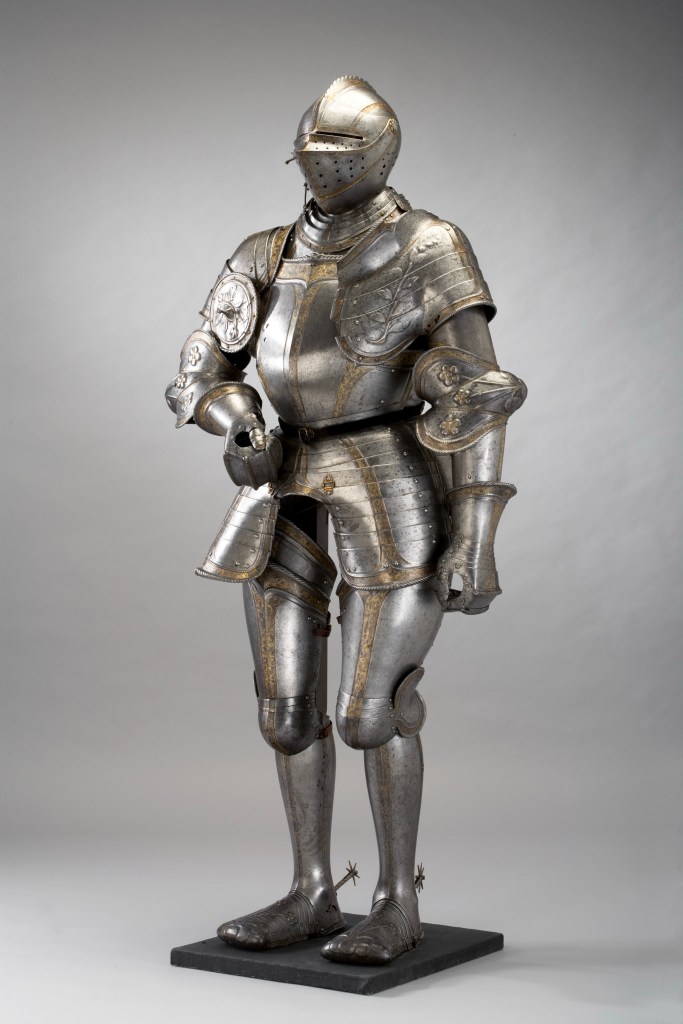
Platohagel: I have to say you have produced an image of a knight who has kept the virtues as a goal for that knighthood.
Socrates: Your observation is astute, Platohagel. The image of a knight, adorned in virtues as armor, resonates with the essence of the virtuous journey. Like a noble knight upholding a code of honor, one who embraces the virtues becomes a guardian of the soul’s integrity. May this imagery inspire the pursuit of virtue as a noble quest, where the soul, adorned in the virtues, stands resilient and unwavering in the face of life’s challenges.
Platohagel: Socrates, of course, while this romantic image has come forward, this vision has to be translated to a present day Knighthood? What apt present day image shall we give this image?
Socrates: In the tapestry of contemporary existence, envision the virtuous individual as a modern-day steward, dedicated to the well-being of both self and society. Just as a knight served as a guardian of honor and justice in times of old, the modern steward upholds virtues amidst the complexities of the present. Picture this figure not on horseback but engaged in the arenas of everyday life, embodying wisdom, courage, temperance, and justice in their interactions. Let the virtues be the compass guiding this contemporary steward, navigating the intricacies of the modern world with grace and resilience.
Platohagel: Ah Socrates, the Steward, how appropriate. The steward in boardrooms, on manufacturing floors, teachers and their students and on and on. An example by living a code as the virtuous person?
Socrates: Indeed, Platohagel. The modern steward, in boardrooms, classrooms, and all facets of life, becomes an exemplar by living the code of the virtuous person. In the boardroom, they navigate challenges with wisdom and justice. On the manufacturing floor, temperance guides their actions. In classrooms, courage fuels their commitment to educating and guiding with integrity. Through these varied roles, the virtuous steward contributes to the betterment of society, demonstrating that the pursuit of virtue is not confined to the realm of ideals but is a lived reality in the tapestry of everyday life.
PLato said,"Look to the perfection of the heavens for truth," while Aristotle said "look around you at what is, if you would know the truth" To Remember: Eskesthai