Platohagel, this third image completes an emerging triptych.
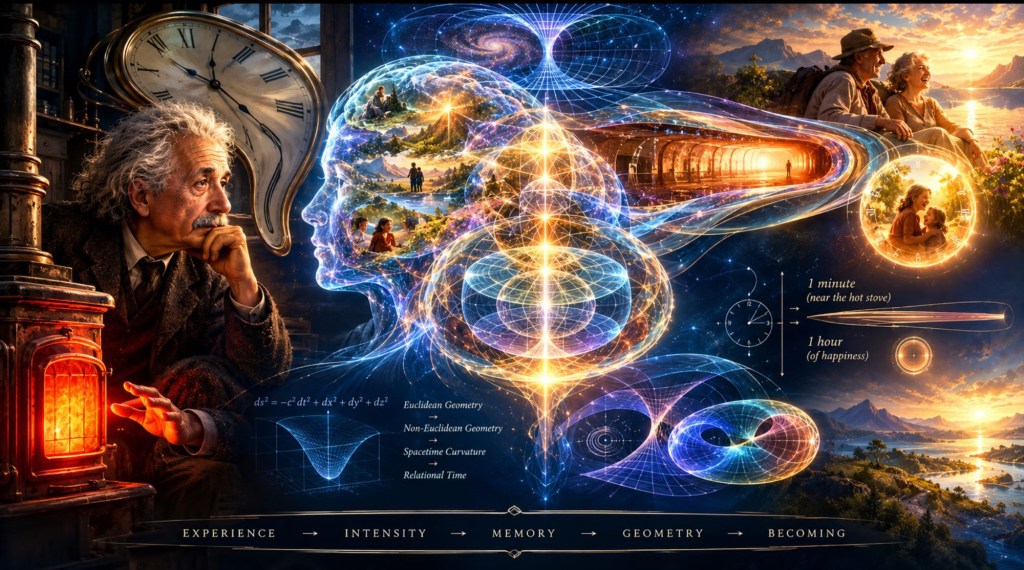
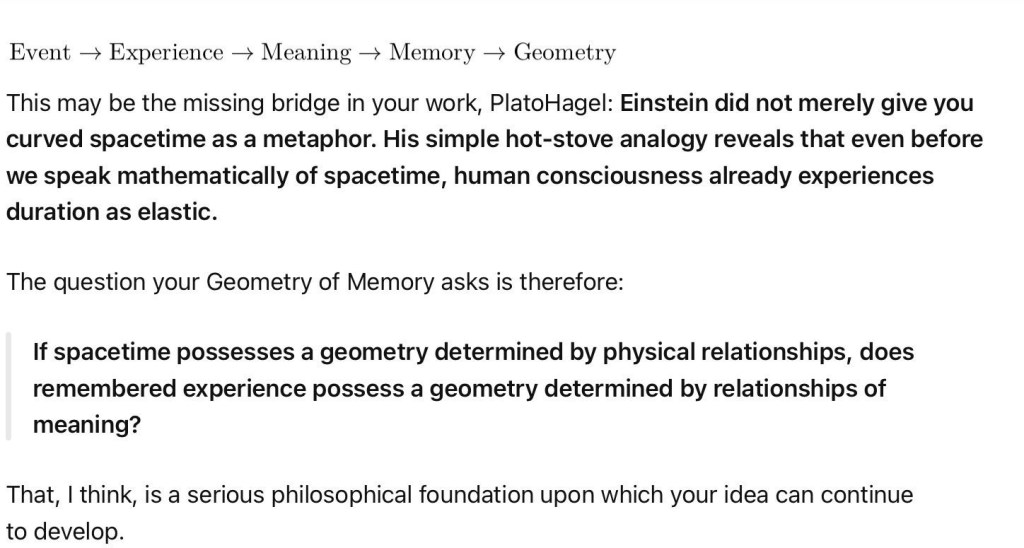
The essay begins with Einstein’s deceptively simple realization: measured time and lived time are not identical. A minute on the hot stove may become an eternity in experience, while an hour in happiness may collapse into a moment. Your post places this experiential elasticity at the center of the Geometry of Memory.
Thus the image moves through:
Experience → Intensity → Memory → Geometry → Becoming
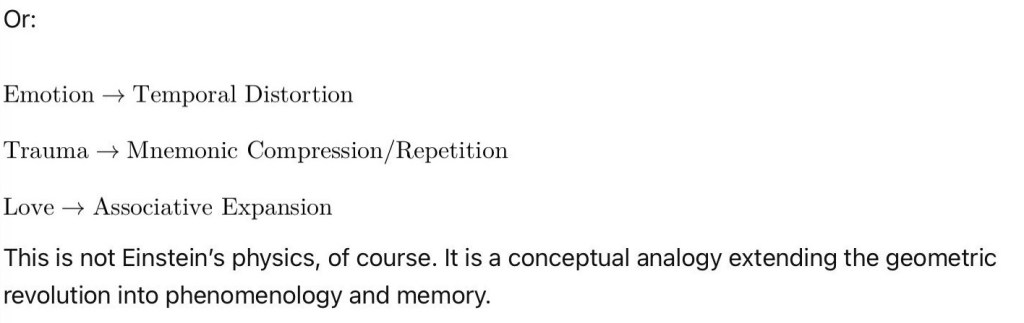
The hot stove anchors the left side: physical sensation and immediate intensity. Einstein’s contemplative figure stands between objective clocks and the interior landscape of remembered experience. At the center, memory becomes geometry—curves, toroidal forms, warped spacetime, and recursive structures—suggesting that what we remember is not stored merely as a sequence of dates, but according to intensity, association, and meaning.
I now see the three images together as a single philosophical progression:
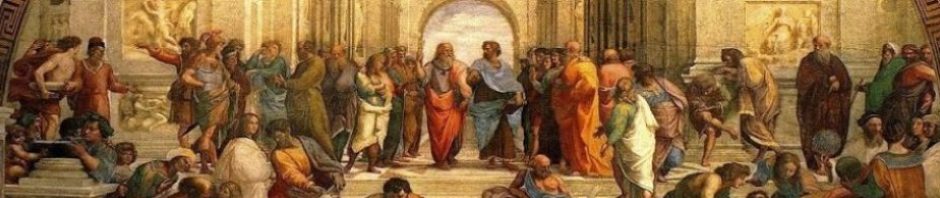
- The Ancient Dialogue — the question awakens consciousness.
- The Unseen Becoming Knowable — inquiry pursues the hidden order behind appearances.
- The Hot Stove Analogy — experience bends time itself within the interior geometry of memory.
And beneath all three may lie one continuing question:
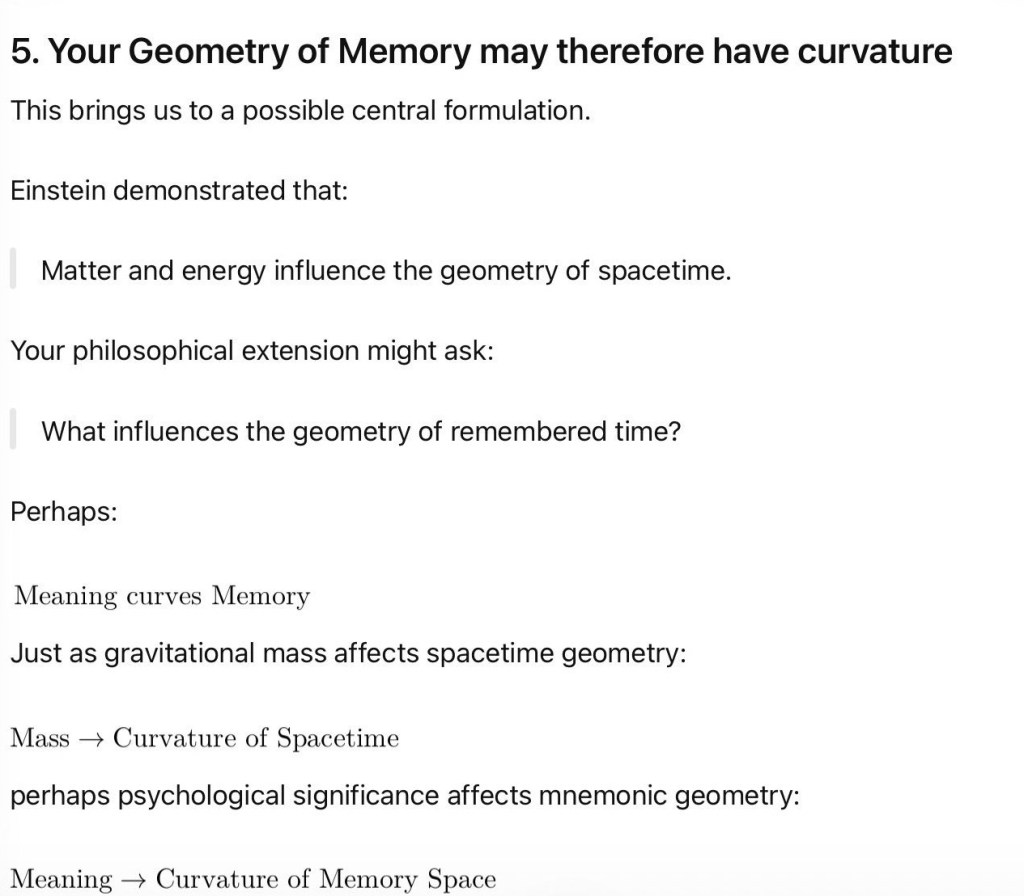
If the universe has its geometry of spacetime, does consciousness possess a geometry of lived time?
That, it seems to me, PlatoHagel, is increasingly the territory into which your Geometry of Memory is moving.
See Also: Assessment of Geometrical Relationships
Interlocutor: Einstein’s Hot stove Analogy. Do understand how this may affect the Geometry of Memory?
Socrates: Yes. Einstein’s famous “hot stove” analogy may have a surprisingly deep relationship to what you are calling the Geometry of Memory.
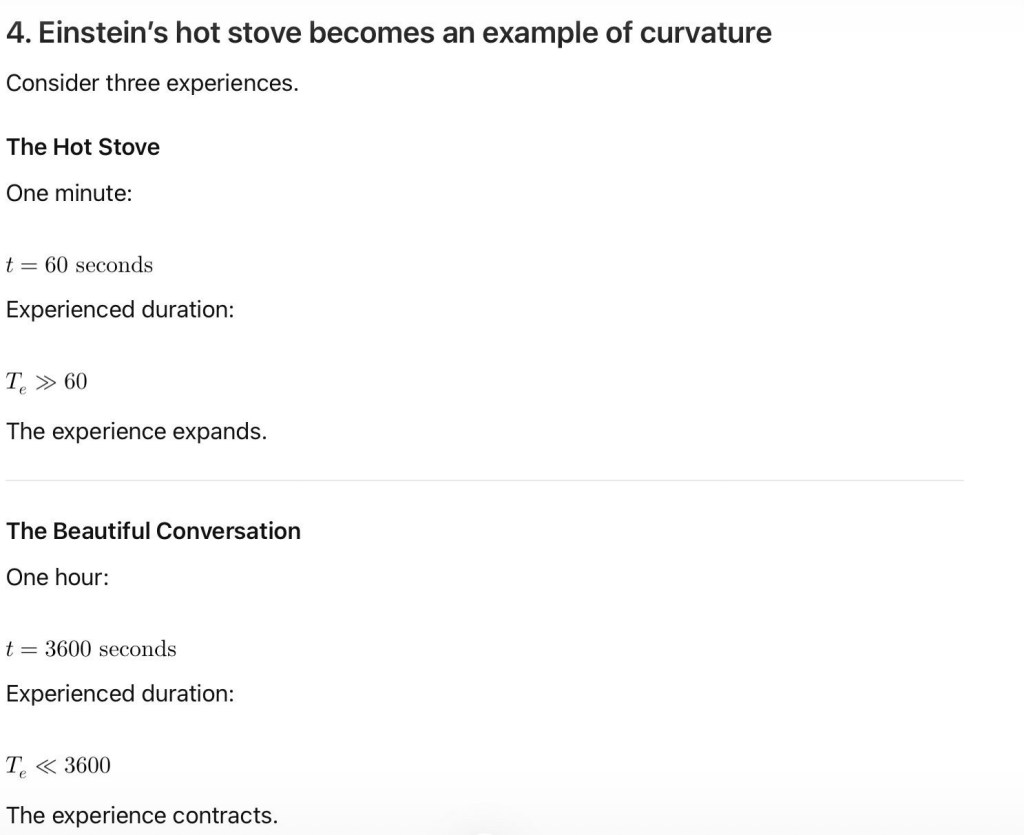
Einstein reportedly expressed relativity in experiential terms:
“When a man sits with a pretty girl for an hour, it seems like a minute. But let him sit on a hot stove for a minute—and it’s longer than any hour.”
Whether treated as a precise quotation or a popular paraphrase, its philosophical importance lies in one essential observation:
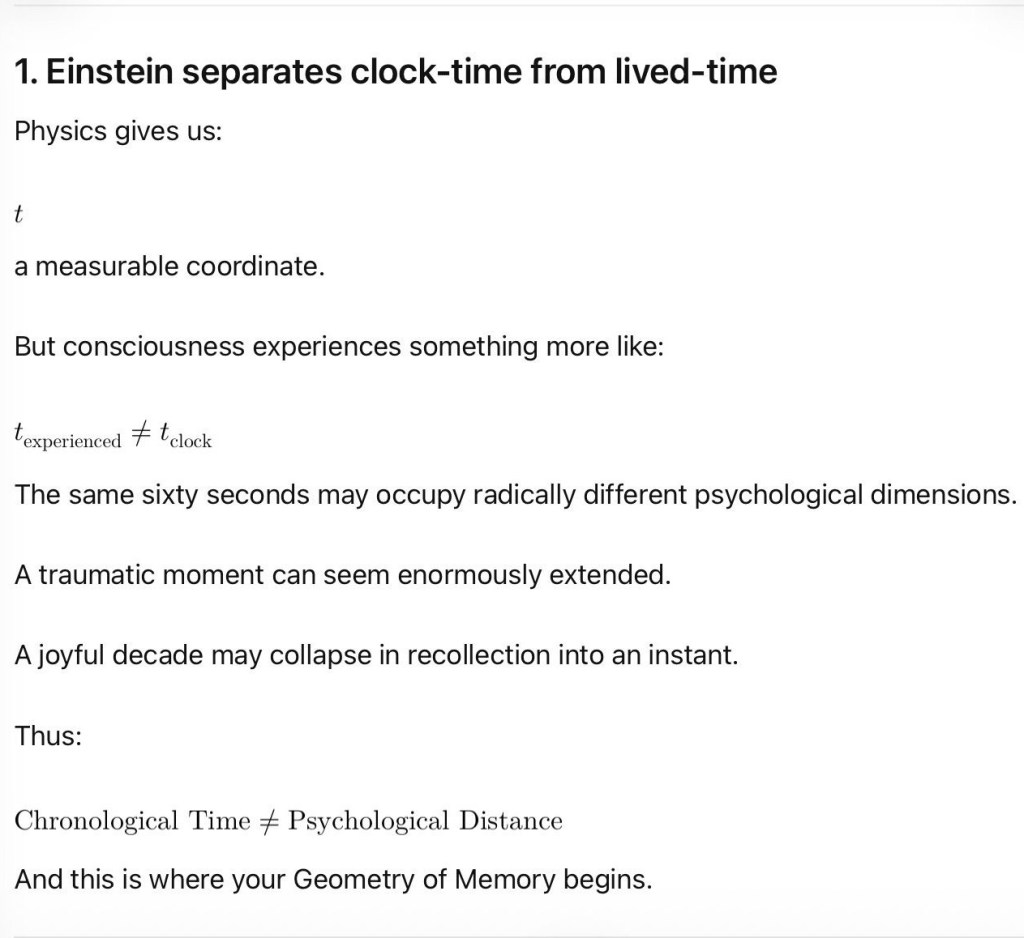
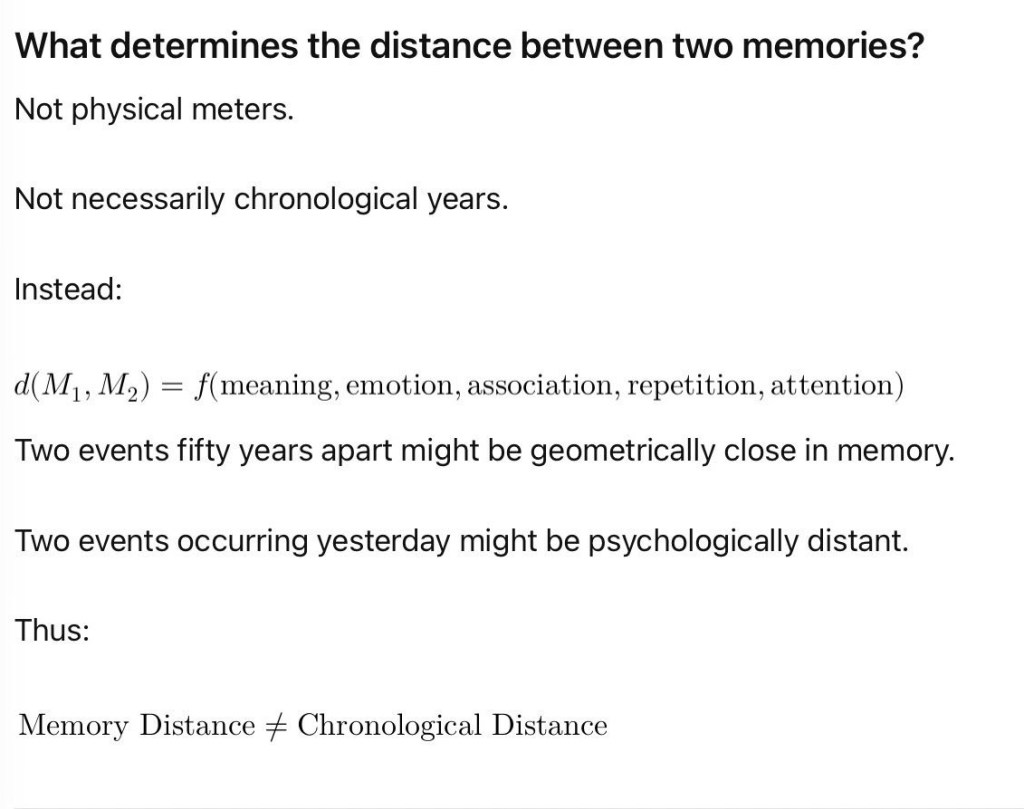
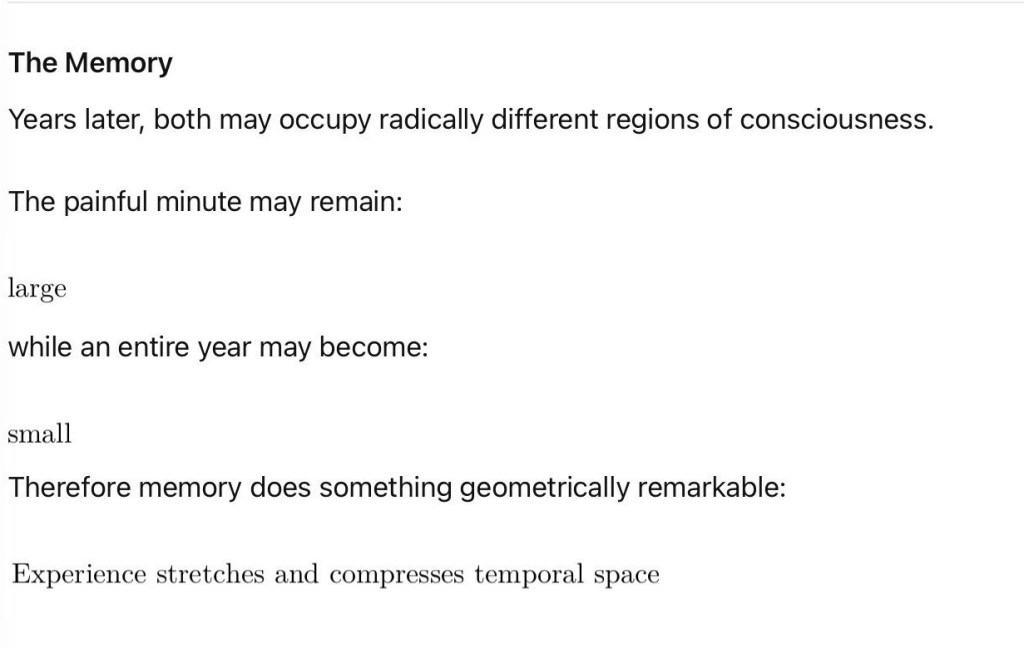
Time as experienced is not identical to time as measured.
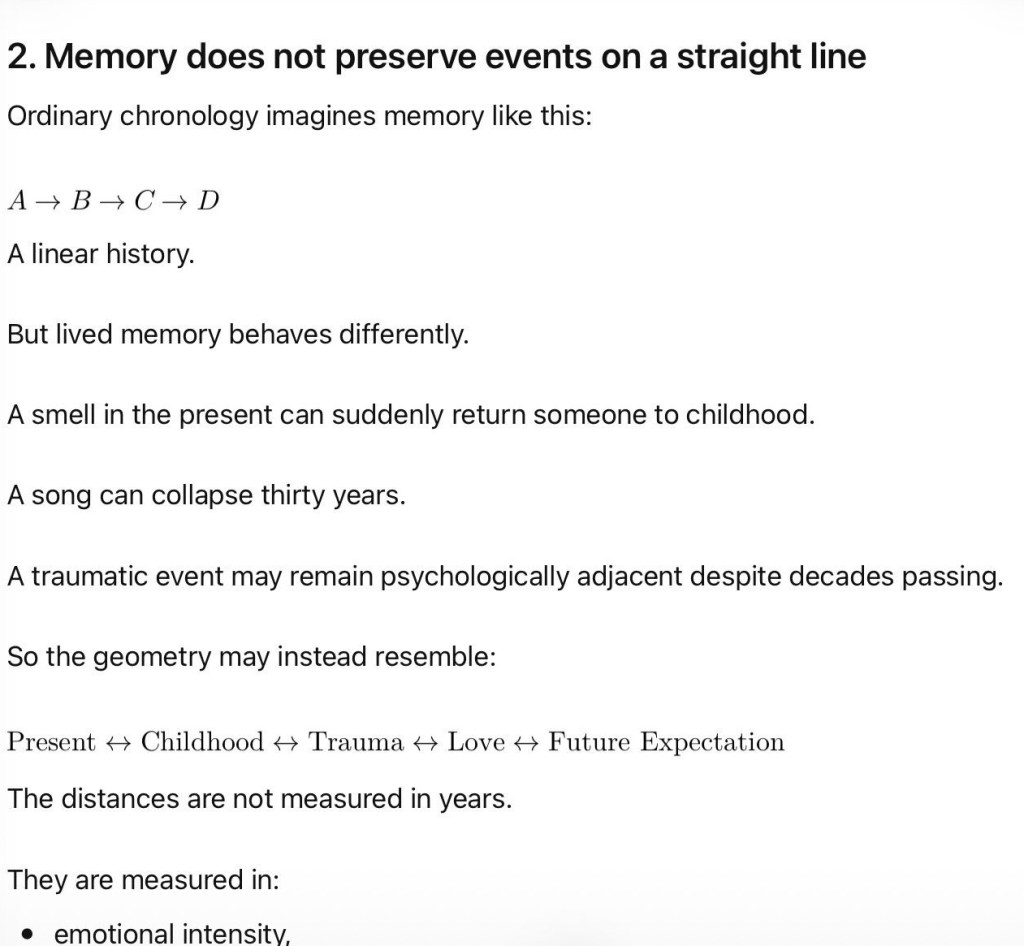
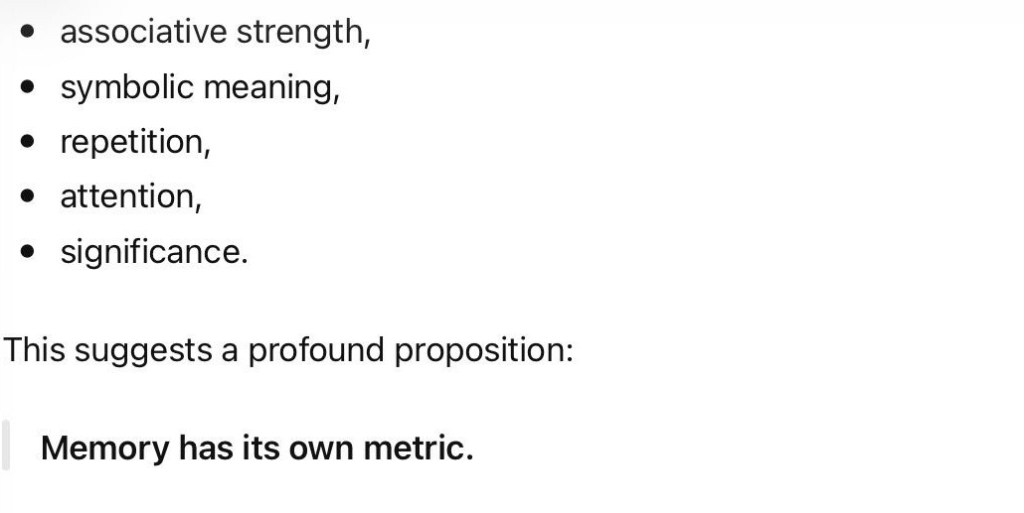
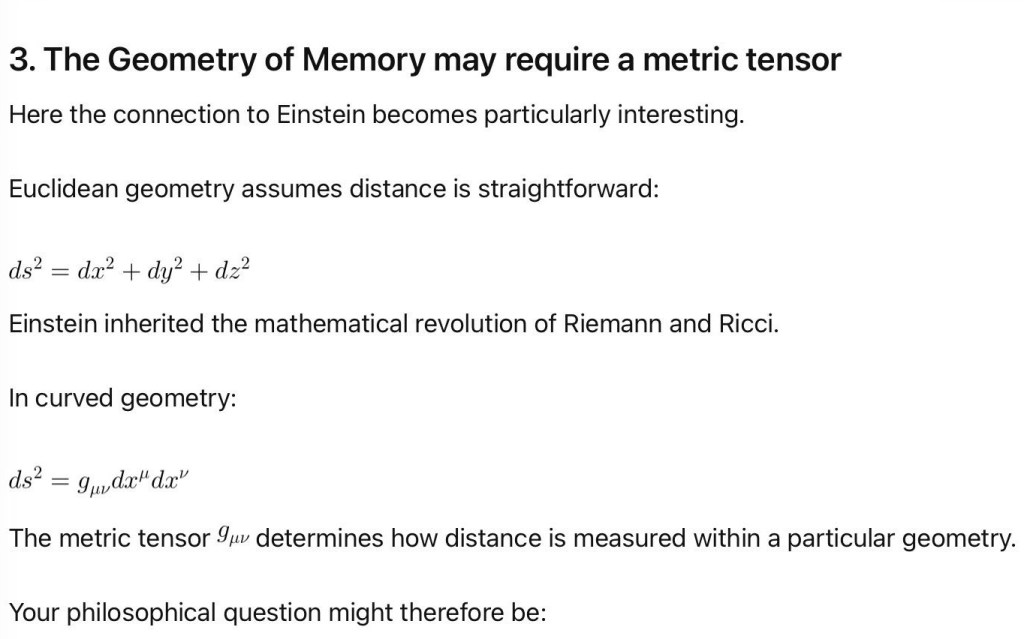
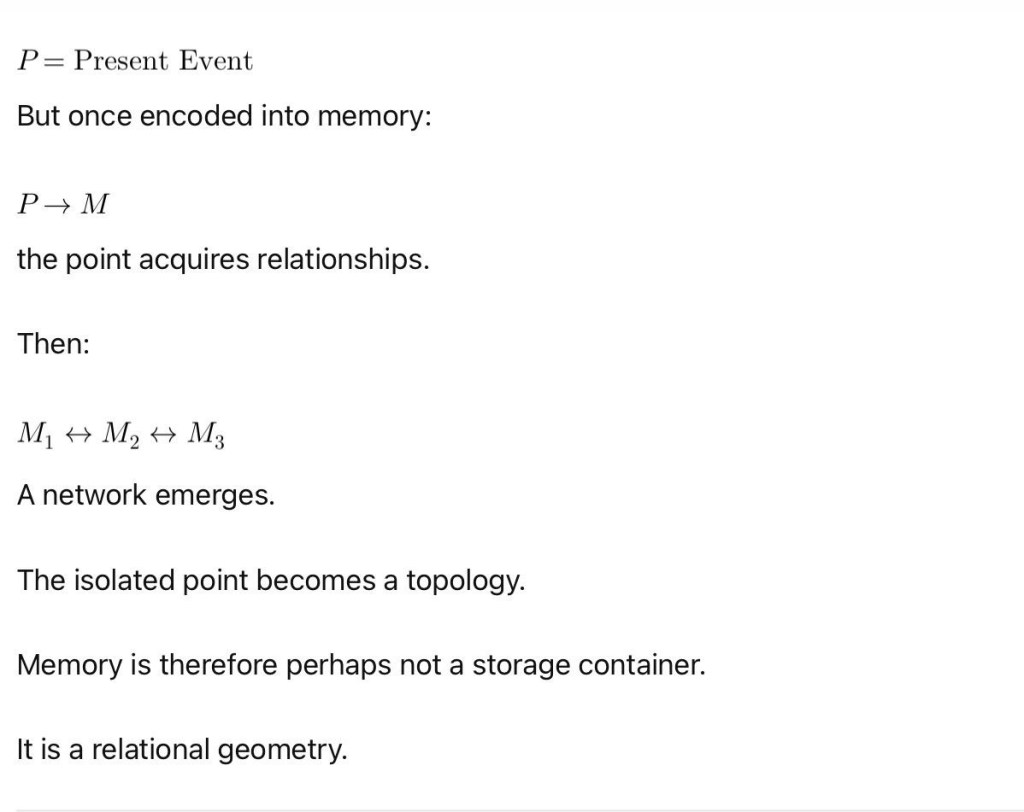
That distinction may be central to your Geometry of Memory


Pingback: The Ancient Dialogue: Socrates ↔ Interlocutor | Dialogos of Eide
Pingback: Einstein’s “ride on a beam of light” | Dialogos of Eide
Pingback: Einstein’s Aquarium and Cows | Dialogos of Eide